News
Laced dried meat baits could entice young wild dogs
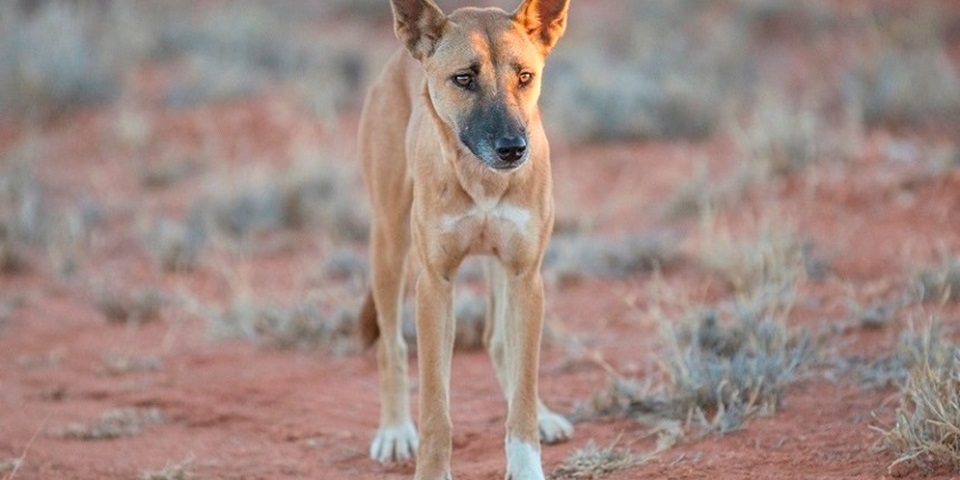
An 18-month study led by 晚夜福利网站 researchers in WA鈥檚 pastoral lands has found new lures such as fish oil could help increase dried meat bait uptake by wild dogs.
Wild dogs, which include free-living domestic dogs, dingoes or hybrids, cause an estimated $89 million in damage to cattle, sheep and goat production in Australia every year.
The research was funded through the Department of Primary Industries and Regional Development鈥檚 Boosting Biosecurity Defences program to improve knowledge around the impact of wild dog control measures and help inform management decisions.
晚夜福利网站 Adjunct Associate Lecturer and Department research officer , who led the study, said the research team examined take-up of standard dried meat baits and those laced with fish oil lures.
Researchers found a low proportion of baits were taken by wild dogs, however the project findings suggest ways to increase uptake, such as through the use of novel lures such as fish oil.
Camera traps were used at two pastoral properties in the southern rangelands to monitor hundreds of baits during 2016 to 2017.
The baits were deployed during the biannual baiting programs which form part of coordinated regional control activities by Recognised Biosecurity Groups.
鈥淭he overall aim of wild dog control programs is to reduce the number of sheep, cattle and goats killed or injured on farms and pastoral stations,鈥� Dr Kreplins said.
Ground baiting is a key tool used to control wild dogs, in addition to trapping, shooting, fencing, licensed pest management technicians and canid pest ejectors.
鈥淥f the 337 baits with a known outcome, we recorded only four instances where a wild dog took a monitored bait,鈥� Dr Kreplins said.
鈥淎ll of these were by a wild dog less than one year old and three of these baits were covered with a fish oil lure.
鈥淲hile being constrained by sample size, what this research demonstrates is that increasing the novelty of the bait may increase bait uptake by wild dogs.鈥�
Dr Kreplins said the control programs experienced non-target interference 鈥� including goannas, ravens and feral cats which took the baits before the wild dogs. Native animals have a high natural tolerance to the 1080 toxin and are not susceptible to the level of toxin used in these baits.
鈥淭argeting baiting to during peak periods of wild dog activity and low periods of non-target activity is also likely increase the number of baits taken by wild dogs,鈥� she said.
She said the control of wild dogs required multiple approaches to increase effectiveness and increasing understanding of the behaviour of these animals could improve management productivity for pastoralists.
Dr Kreplins said Recognised Biosecurity Groups were a big part of this study and would continue to be a part of ongoing wild dog research.