News
Murdoch researchers awarded grants to develop new defence training tools and technologies
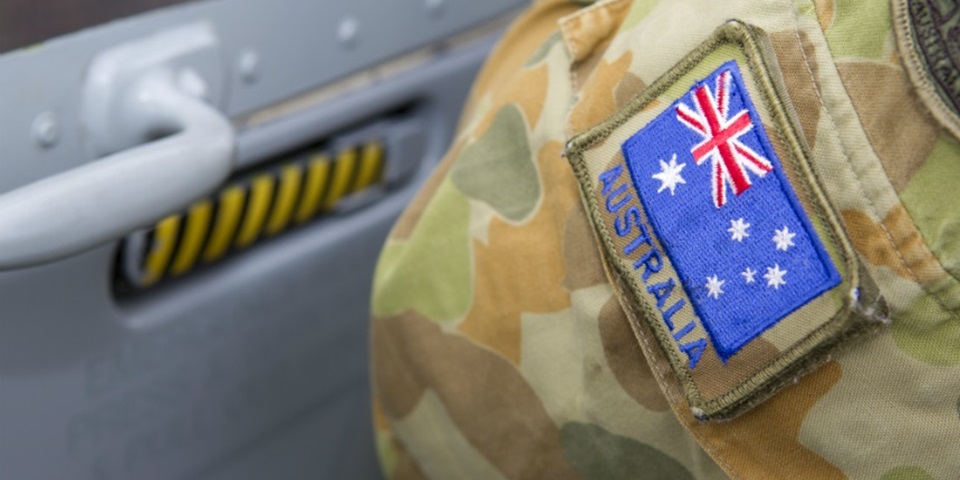
晚夜福利网站 is furthering its research into biosecurity and biological defence with a share of the first-ever defence research grants awarded by the Western Australian government in partnership with Defence Science Technology Group.
University researchers will share in $700,000 awarded in the Defence Science Centre鈥檚 inaugural grants. The funding is part of a series of collaborative research grants aimed at developing new ideas and delivering innovative Western Australian technologies to defence markets.
In the first of two grants, Murdoch will lead a research group looking at how to better mitigate the biosecurity threat posed by naval vessels returning from overseas postings potentially carrying invasive, non-native marine life.
The group will adapt surveillance methods previously used in medicine and policing for use by naval divers. 晚夜福利网站 Senior Lecturer Dr Matthew Thompson says the research will ultimately help improve protection against biosecurity threats.
The Navy relies on visual inspection of vessels by clearance divers to detect biosecurity threats,鈥� Dr Thompson said.
鈥淭his is a demanding task, and genuine expertise is limited, so we鈥檙e applying established cognitive science methods to enhance that surveillance performance.鈥�
The work will provide a base for the development of 鈥榡ust-in-time鈥� training tools to enhance naval divers鈥� ability to detect biosecurity threats. This research comes at a time when the increased movement of naval vessels 鈥� such as Collins Class submarines between Australian capital cities 鈥� could increase the risks and costs of these threats.
Dr Thompson will work alongside Professor Chad Hewitt, Director of Murdoch鈥檚 Biosecurity Research Centre at the Harry Butler Institute, Professor Marnie Campbell and Associate Professor Guillermo Campitelli.
The second major grant will see Murdoch partner in research to develop new antimicrobials to effectively treat bacteria that are considered biological warfare threats. Professor Geoffrey Coombs, Murdoch鈥檚 Chair of Public Health, will lead the university鈥檚 contribution.
鈥淚n this current age where antibiotics are failing due to multi-drug resistant bacteria, it鈥檚 imperative to develop novel anti-bacterial drugs,鈥� Professor Coombs said.
鈥淭he team has already identified active compounds which can reduce or stop bacterial growth altogether, and this project will investigate if these compounds can be safely used to treat human infections caused by multi-drug resistant bacteria.鈥�
The Defence Science Centre grants also saw Murdoch student Chloe Smith awarded PhD funding to begin her research into enhancing the high-stakes decision-making abilities of military personnel.
Premier Mark McGowan announced the new funding at the Submarine Institute of Australia鈥檚 SubSTEC5 conference in Fremantle.
鈥淭he research grants will bring some of the leading defence industry stakeholders together in WA to find solutions or new ways to tackle defence and national security issues,鈥� Mr McGowan said.
鈥淚t鈥檚 part of a bigger program of works to benefit the industry through cross-industry innovation and strengthens our state鈥檚 defence capabilities.鈥�
News
Murdoch researchers awarded grants to develop new defence training tools and technologies
Posted on
Topics